


Back To Basics?

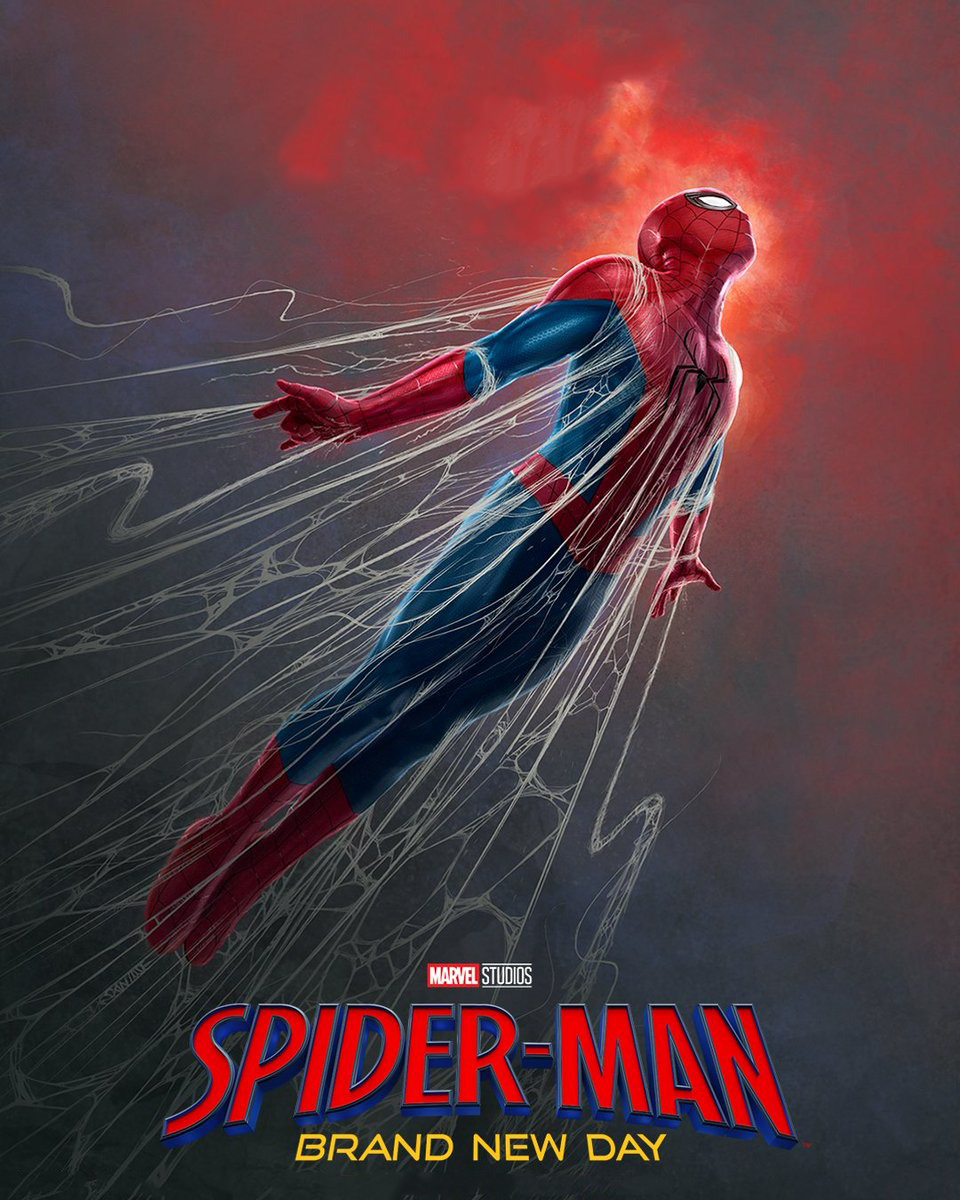
Few superheroes have enjoyed a cinematic legacy as rich—or as fiercely debated—as Spider-Man. From Sam Raimi’s operatic trilogy, which elevated the superhero genre into emotionally resonant blockbuster territory, to Marc Webb’s more introspective interpretation and the kinetic exuberance of Tom Holland’s Marvel Cinematic Universe tenure, each incarnation has reflected the sensibilities of its era. Even Phil Lord and Christopher Miller’s Spider-Verse animated franchise has seen the said beloved and aforesaid hero transcend his own ideology into different and abstract versions. Yet, Raimi’s first two films continue to represent the character’s cinematic apotheosis, distilling Peter Parker’s perpetual conflict between ordinary life and extraordinary responsibility with remarkable sincerity. Spider-Man: Brand New Day arrives under the considerable burden of that legacy. Rather than attempting to eclipse what came before through multiversal bombast or nostalgic spectacle, it elects to do something far more audacious: rediscover the essence of Spider-Man. The result is an unexpectedly poignant, invigorating and emotionally sophisticated blockbuster that confidently charts a compelling new course for the wall-crawler.
Following the devastating conclusion of Spider-Man: No Way Home, Peter Parker exists as a ghost within his own city. Erased from the memories of everyone he loves, he navigates New York in almost complete anonymity, embracing Spider-Man as both vocation and refuge. However, his carefully maintained solitude is fractured when an insidious new threat begins exploiting the city’s vulnerabilities, forcing Peter to confront not only a formidable adversary but the emotional isolation he has long sought to suppress.
Without sacrificing exhilarating action or visual spectacle, Brand New Day unfolds as a remarkably intimate character study, demonstrating an uncommon confidence in allowing its quieter moments to resonate just as powerfully as its elaborate set-pieces. What ultimately distinguishes Brand New Day from many of its contemporaries is its apparent thematic conviction. Beneath the acrobatic choreography and comic-book iconography lies an elegiac meditation on grief, identity and the corrosive consequences of self-sacrifice. The parallels with Sam Raimi’s Spider-Man 2 are unmistakable—not through superficial homage, but through philosophical kinship. Both films interrogate the impossible equilibrium between Peter Parker’s yearning for personal fulfilment and his unwavering moral obligation to protect others. Like Raimi’s masterpiece, Brand New Day understands that Spider-Man’s defining struggle has never been defeating villains, but reconciling the irreconcilable demands of heroism and humanity. It is this emotional authenticity, rather than franchise connectivity, that grants the film its considerable dramatic potency. In an era increasingly preoccupied with scale, especially depicted in an array of superhero related agencies, Brand New Day reminds audiences that Spider-Man’s greatest stories have always been profoundly human.

Tom Holland delivers what is, without question, the most accomplished performance of his tenure beneath the mask. Stripped of the reassuring familiarity afforded by previous films, Holland portrays a Peter Parker weathered by loss yet never consumed by cynicism. His performance possesses a quiet melancholy that lends genuine gravitas to the character while preserving the innate warmth and self-deprecating humour that have always defined him. Zendaya once again proves indispensable, imbuing MJ with intelligence, emotional complexity and undeniable chemistry, while Jon Bernthal’s uncompromising frenemy Frank Castle injects an abrasive unpredictability that continually destabilises Peter’s moral certainties but is apt addition come to the conclusion. Sadie Sink’s involvement with her character was also a welcoming addition to the fray…That’s all I’ll say about that! Elsewhere, the supporting ensemble is deployed with admirable restraint, each character enriching the narrative without diluting its unwavering focus on Peter’s emotional odyssey. Under Destin Daniel Cretton’s assured direction, the performances coalesce into one of the MCU’s most dramatically cohesive ensembles.
If there are slight gripes and concerns to mention, it’s very little. While there is an argument to be made in regards to the amount of story-lines/characters that try to compete for screen-time within the run-time – which is certainly painted true through the gaze of Mark Ruffalo’s Bruce Banner/Hulk – there was never an occasion where all these ‘competing’ story elements were at odds with each other. However, this can’t be said in relation to the films pacing and how there are moments, particularly near the end of the second act and beginning of the third act, where the momentum can quickly dissipate when the swiftness and tension of a particularly moment was needed most.
Spider-Man: Brand New Day is less concerned with reinventing Spider-Man than with reminding audiences why the character has endured for so long. In favour of being more mature, emotional and distinctly grounded compared to its other coopetitors, Brand New Day Eschews the grandiose for the exploration of identity, sacrifice and loneliness; webbing back to the thematics and story-beats of Spider-Man 2. The action is exhilarating, the performances uniformly exceptional, and the screenplay displays a refreshing willingness to embrace vulnerability over bombast. Most importantly, it understands that Spider-Man’s greatest superpower has never been his agility or his intellect—it has always been his resilience; his fortitude to keep going and find the answers he needs. By returning Peter Parker to his emotional foundations while simultaneously propelling him into unfamiliar territory, Brand New Day achieves something increasingly rare within franchise cinema: it feels genuinely essential. It may not surpass Spider-Man 2, but it comes closer than any Spider-Man film in the last two decades, cementing itself as one of the finest Spider-Man films of the modern era…
★ ★ ★ ★ ☆ – Alex Rabbitte