


Into the Survival-Horror Fray

For decades, Hollywood has been trying to solve the video-game-to-film puzzle, with wildly mixed results. From Super Mario Bros. and Mortal Kombat through the various Resident Evil movies and more recent successes such as The Last of Us, filmmakers have repeatedly wrestled with the same problem: how do you turn an interactive experience into a passive one without losing what made the game special? Zach Cregger’s Resident Evil finds the answer by refusing to adapt the game in the conventional sense. Instead, he adapts the experience of playing it. There are no desperate attempts to cram decades of lore into two hours, nor a parade of familiar characters simply to reassure fans. Cregger understands that Resident Evil is at its best when you’re under-equipped, outmatched and wondering what the hell is lurking around the next corner. By translating limited resources, escalating objectives, environmental storytelling and that delicious sense of progression into cinematic language, he delivers something remarkably rare: a video-game adaptation that actually understands its source material.
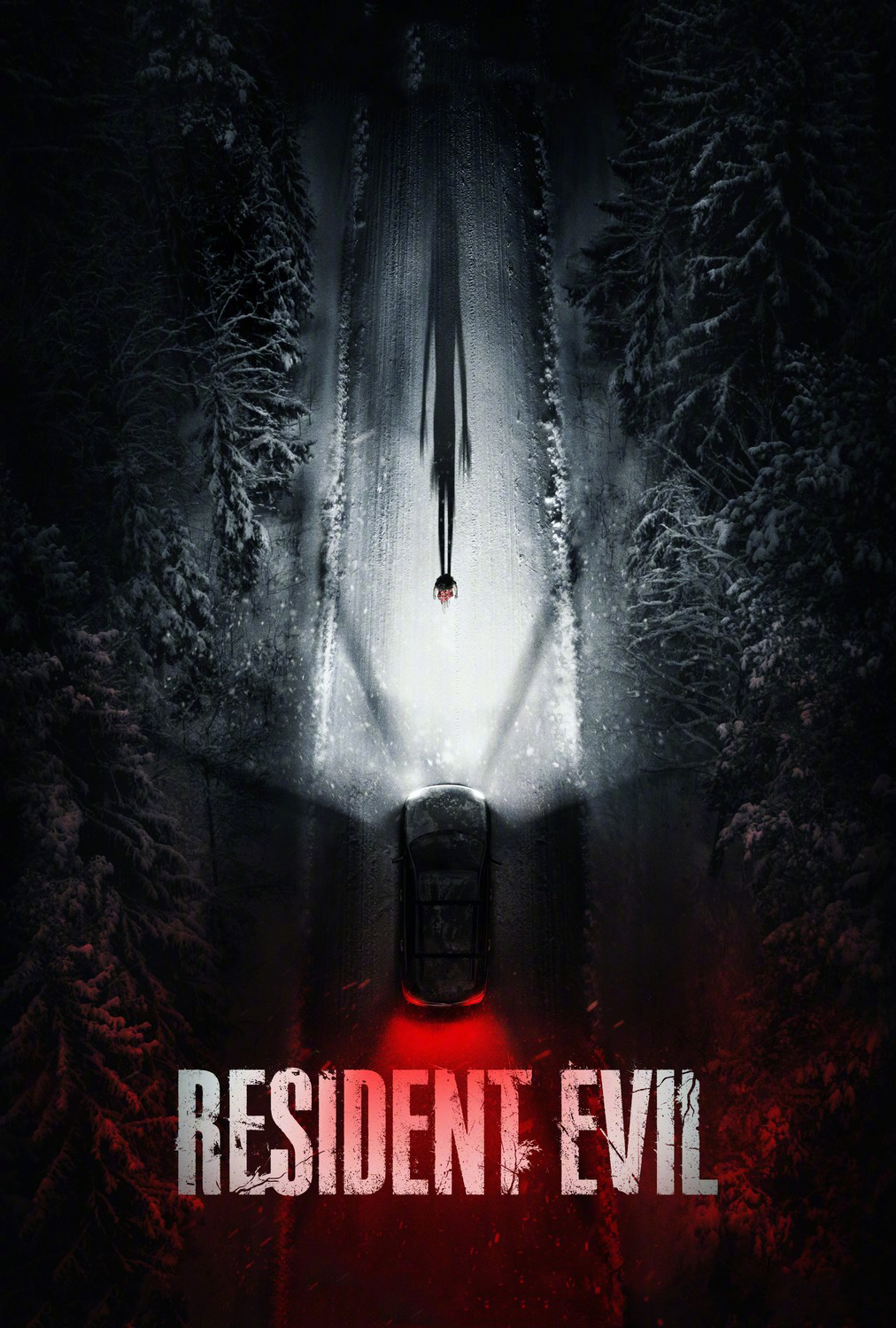
The story follows Bryan (Austin Abrams), an ordinary medical courier whose seemingly routine delivery into Raccoon City becomes an increasingly nightmarish fight for survival. After encountering an infected woman on a snowy road, Bryan is drawn into an outbreak involving Umbrella-created monstrosities, forcing him to navigate a city rapidly descending into chaos. What follows is essentially the worst night of one very unlucky bloke’s life: weapons are acquired, ammunition becomes precious, seemingly innocuous locations become death traps and each new objective leads him further into the nightmare. Cregger wisely keeps the narrative relatively stripped-back, using Bryan as the audience’s surrogate rather than burdening the film with established heroes such as Leon Kennedy or Claire Redfield. The result feels less like another chapter in an existing mythology and more like being dropped into a particularly nasty Resident Evil save file with no idea what you’re doing.
Most impressive is the pacing. Cregger understands that survival horror needs breathing room just as much as it needs bloodshed. The film doesn’t simply sprint from one monster encounter to another; it allows tension to accumulate, giving seemingly mundane moments an uncomfortable edge before pulling the trigger. Then, when the action arrives, it hits with considerably more force because the film has made you wait for it. That rhythm — explore, investigate, panic, survive, acquire better equipment, repeat — is unmistakably game-like without ever feeling gimmicky. The tone is equally well judged. Cregger lets the absurdity of Resident Evil coexist with genuine horror, allowing humour to relieve the pressure without completely puncturing it. It’s a difficult balancing act, but the film largely nails the peculiar cocktail of dread, grotesquerie and dark comedy that has always been central to the games.

At the centre of it all is Austin Abrams, who proves an inspired choice for Bryan. Rather than turning him into another invincible action hero, Abrams makes him believably terrified, confused and occasionally spectacularly out of his depth. His performance gives the film its human grounding, while his comic timing provides just enough levity when the pressure threatens to become unbearable. Zach Cherry, Kali Reis and Paul Walter Hauser provide strong support, each adding their own flavour to Cregger’s increasingly bizarre survival scenario. But this is ultimately Abrams’ film, and his ability to sell both the ridiculousness and genuine danger of Bryan’s predicament is crucial. He’s not playing a superhero; he’s playing the bloke who has somehow wandered into the final level without reading the tutorial.
The genius of Cregger’s Resident Evil, then, is that its fidelity isn’t found in plot points but in feel. It understands the terror of having one bullet left, the satisfaction of finding a better weapon, the suspicion that an apparently harmless room absolutely isn’t harmless and the peculiar exhilaration of becoming more capable as the nightmare progresses. Its lean, escalating structure keeps the survival-horror engine running, while Abrams gives the carnage an unexpectedly relatable human face. There are admittedly moments where the film’s final stretch doesn’t quite match the confidence of its build-up, and its compactness can occasionally leave you wanting one more room to explore. But those are minor complaints beside the achievement. After years of adaptations confusing recognising a game with understanding a game, Cregger has finally cracked the code. Resident Evil doesn’t merely look like a video game. It feels like one — and, gloriously, it makes you want to pick up the controller.
★ ★ ★ ★ ☆ – Alex Rabbitte